Nursery Bedding · Materials · Safe Sleep
A Thoughtful Nursery Sleep Setup: How to Evaluate Naturepedic Bedding
A nursery can be beautiful without being overcomplicated. When bedding is for a baby’s sleep space, the priorities are more practical than decorative: follow safe-sleep guidance, choose a sheet that fits the mattress correctly, understand the materials, and check exactly what any certification covers. Here’s a clear-eyed way to evaluate Naturepedic bedding—and the details to confirm before making a choice.
Start with the sleep space, not the styling
A nursery often begins as a design project: a calm palette, a comfortable chair, soft light, and textiles that make the room feel considered. But the baby’s sleep surface deserves a different kind of attention. Comfort and aesthetics matter in a nursery, yet for an infant’s crib, the first question is not whether a fabric looks inviting. It is whether the sleep space follows current safe-sleep recommendations.
For a baby’s sleep, use a firm, flat mattress with a fitted sheet made for that specific mattress. Keep the sleep area clear of pillows, quilts, comforters, loose blankets, bumpers, stuffed toys, and decorative cushions. Room décor and adult bedding may be lovely elsewhere in the nursery; they do not belong in the infant’s sleep space. Follow the guidance of your pediatrician and public-health authorities, and consult the crib and mattress manufacturers’ instructions for fit and use.
This distinction is especially helpful when evaluating bedding from a brand known for natural or organic materials. A product’s fiber, finish, or certification may be worth understanding, but none of those details replaces the basics of a safe sleep setup. Organic is a sourcing or processing descriptor, not a guarantee that an item is appropriate for a crib or suitable for every child.
What “bedding” means in a nursery
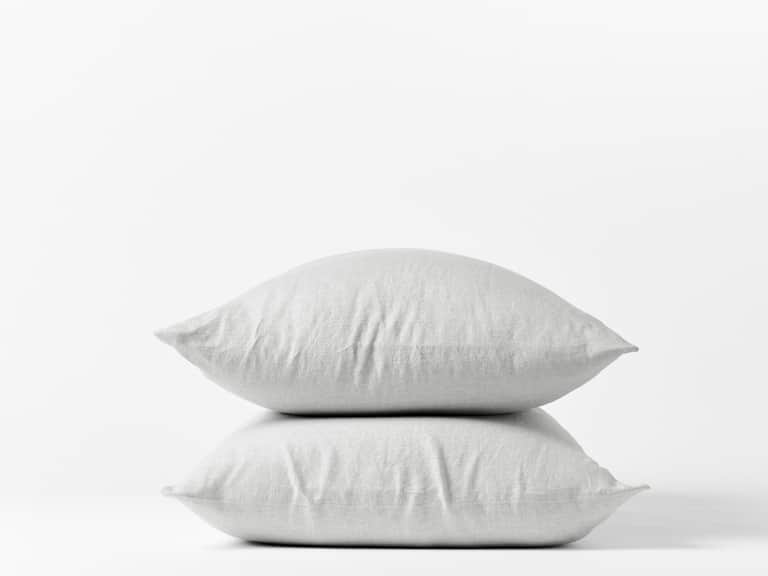
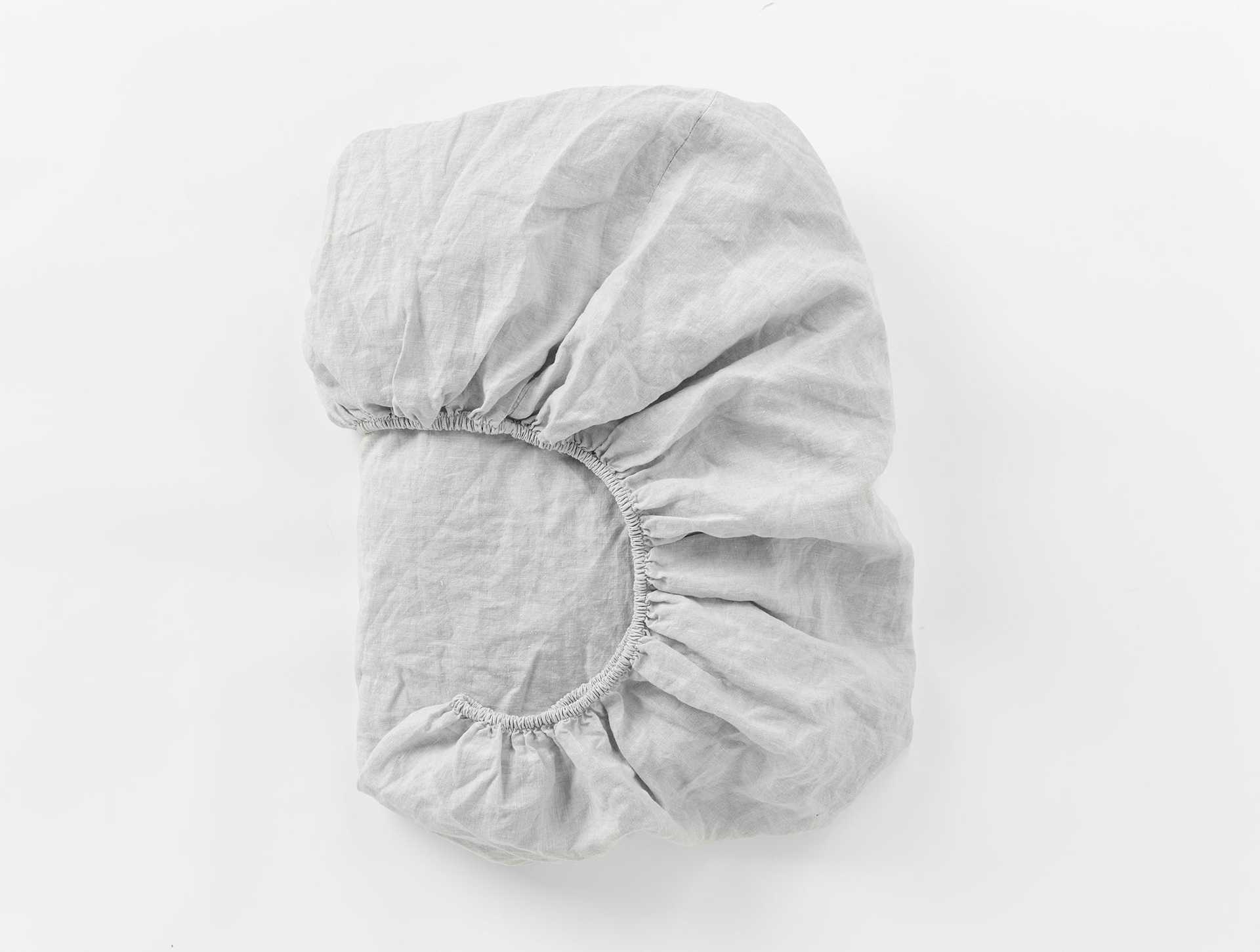
In everyday shopping language, bedding can mean an entire coordinated collection: sheets, pillowcases, duvet covers, shams, throws, and decorative pillow covers. In an infant’s sleep environment, however, the usable bedding should be much more limited. A fitted crib sheet designed for the mattress is typically the only textile placed directly in the crib with the baby.
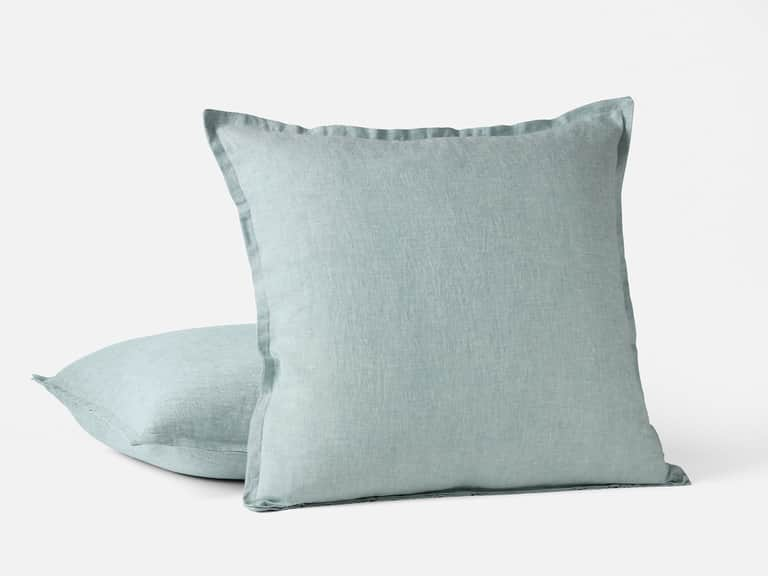
That makes product classification important. A fitted sheet intended for an adult bed is not automatically suitable for a crib, even if it is made from the same fabric or has a similar name. A pillowcase, sham, duvet cover, or decorative pillow cover may be appropriate for other household uses but is not an infant sleep accessory. Look for explicit crib sizing and intended use; do not infer suitability from a general description such as “soft,” “breathable,” or “nursery friendly.”
Naturepedic offers bedding in different materials and constructions, so evaluate each item individually rather than treating the brand name as a substitute for product details. Check the exact product listing and sewn-in care label. If a listing does not clearly state that a fitted sheet is designed for a crib mattress, ask the seller or manufacturer before considering it for that purpose.
Read material claims with precision
Fabric descriptions can sound reassuring while leaving important questions unanswered. “Natural,” “organic,” “chemical-free,” and “non-toxic” are not interchangeable technical terms, and broad phrases do not tell you everything about a finished textile. A more useful evaluation begins with specifics: What is the fiber? Is the fabric a blend? Where was the fiber grown? How was it processed, dyed, and finished? Does the claim apply to the raw fiber, the fabric, or the completed product?
For linen, the starting fiber is flax. Linen’s distinctive hand, visible texture, and drape come from the way the flax is processed and the yarn is woven. Cotton has a different feel and construction, while percale and sateen describe weave structures rather than fiber types. These distinctions matter because two products can both be described as organic bedding while feeling and behaving quite differently in use.
Consider the texture you prefer and the care routine you can maintain, but avoid treating any single fiber as a universal solution. Linen may feel textured and relaxed; cotton percale is often described as crisp; sateen tends to feel smoother. Individual products vary with yarn, weave, weight, washing, and finishing. If a baby has known skin sensitivities or a medical concern, ask a qualified healthcare professional for guidance rather than relying on marketing language.
Moisture management and breathability are also common claims in bedding descriptions. They can help explain how a fabric feels to an adult, but they should not be read as a promise that a textile prevents overheating or makes an unsafe sleep arrangement safe. For infants, maintain an appropriate room environment and follow established safe-sleep guidance. Do not add layers or loose bedding in response to a product’s advertised comfort features.
Understand what a certification actually certifies
Textile certifications can make a complicated supply chain easier to assess, but the name of a standard is only the beginning. Ask which organization issued or verifies the certification, whether it is current, and which part of the product is covered. A certificate for fiber sourcing may not make the same claims as a standard that also considers processing. A fabric certification may not automatically apply to every component in a finished item.
GOTS, the Global Organic Textile Standard, is a widely recognized standard for organic textiles. Its requirements address organic fiber and, depending on the applicable scope and product stage, aspects of processing and production. When a product is described as GOTS certified, look for the certification details and scope rather than relying only on a logo or a short phrase in a product title. The relevant documents should identify the certified entity or product and make it possible to check that the claim corresponds to what is being sold.
Other labels may address different concerns. Some standards focus on testing for certain substances in textile products; others relate to the chain of custody, farming practices, or environmental management. They are not interchangeable, and no single label proves every possible attribute of a product. In particular, a certification should not be understood as a medical endorsement, a guarantee against allergies, or a statement that an item can be used in any sleep arrangement.
When assessing Naturepedic bedding, note the exact wording used for each product and ask whether the claim applies to the finished sheet, the fabric, or a specific material component. If the brand provides certificate numbers, licensing information, or a link to a certification directory, use those details to verify the claim. If information is unclear, a concise question to customer service can help: “Which certification applies to this exact product, and what product components are included in its scope?”
Fit is a practical safety check
A sheet can be made from appealing materials and still be the wrong choice if it does not fit securely. Confirm the mattress dimensions and the sheet’s stated dimensions before ordering. Check the pocket depth or mattress compatibility information, but do not rely on a deep pocket alone: the sheet must be designed for the specific crib mattress and remain snug and secure during use.
For a crib sheet, product specifications should clearly identify the intended mattress type and size. Follow both the sheet maker’s and mattress maker’s guidance. When the sheet is on the mattress, it should not bunch, slip, or pull loose. Do not try to make an ill-fitting sheet work by tucking excess fabric beneath the mattress or adding clips or accessories unless the manufacturer explicitly approves them for that use.
Fit becomes particularly easy to overlook when a nursery includes a convertible crib, a mini crib, or a nonstandard mattress. Measure carefully and check the model information; “crib size” should not be treated as a universal dimension without confirmation. If you are uncertain, contact the manufacturer with the mattress brand and model number. A few minutes spent verifying compatibility is more useful than relying on a polished product photograph or a generic size label.
Care instructions belong in the buying decision
Nursery bedding is washed often. Spit-up, leaks, and everyday messes make easy laundering a practical requirement, not a minor detail. Before choosing a sheet, read the care instructions and consider whether they fit your household routine. Check the recommended water temperature, wash cycle, drying method, and any restrictions on bleach, fabric softener, or ironing. If a product label gives different instructions from a general online description, follow the care label or confirm the discrepancy with the maker.
For a newly purchased textile, laundering before use can remove packaging dust and help you assess the fabric’s feel and fit after washing. Use a suitable detergent and avoid adding fragranced products if you prefer to minimize unnecessary irritants. There is no need to assume that a particular detergent is universally safer; the right choice depends on the product label, household needs, and any advice from a healthcare professional.
Wash the fitted sheet as directed and inspect it periodically for worn elastic, damage, or a loss of fit. Retire a sheet that no longer stays securely in place or shows signs of deterioration. A durable fabric can offer value over time, but longevity depends on construction, laundering, frequency of use, and how well the item continues to fit the mattress.
A considered way to compare Naturepedic options
Rather than making a decision based on a single headline claim, compare the details that affect use. Start with the exact product and intended setting. Then check fiber content, construction, dimensions, care, and certification scope. If the item is for a baby’s crib, confirm that it is specifically designed for that mattress and use. If it is for a changing area, a parent’s bed, or nursery décor, assess those uses separately from the infant’s sleep space.
For example, a product described as an organic sheet may be appropriate for an adult bed or a general bedding set while not being a crib sheet. A pillow sham or decorative cover can complement the room but should remain outside the baby’s sleep area. This is not a judgment on the material; it is a reminder that intended use and safe placement matter as much as fiber choice.
When comparing products, look for consistent information across the product page, packaging, and care label. Does the fiber composition match in each place? Are dimensions and mattress compatibility easy to find? Is a certification linked to a verifiable standard? Are care instructions specific enough to follow? Clear answers are a stronger basis for confidence than vague superlatives.
The sustainability question: useful, but not a shortcut
Choosing organic textiles can be part of a broader interest in farming practices, processing, durability, and responsible purchasing. Yet environmental performance is complex. It can involve agriculture, water and energy use, dyeing, manufacturing, shipping, product lifespan, and what happens at the end of use. A label may clarify one part of that picture without describing every impact across the product’s life cycle.
For a nursery, a thoughtful approach is often less about buying a complete matching collection and more about choosing a small number of well-fitting, maintainable essentials. Buy only what has a clear purpose. Follow care guidance to help items last, and consider reuse where it is appropriate and safe. Avoid presenting organic fiber as a guarantee of a lower overall footprint unless credible, product-specific evidence supports that conclusion.
Transparency is useful here. Look for information about fiber origin, where the textile was made, how production claims are verified, and whether the brand explains the limits of its certifications. The more clearly a company distinguishes facts from broad sustainability language, the easier it is to make an informed comparison.
A nursery bedding checklist
Before choosing any bedding for a baby’s room, keep this short checklist close:
- Confirm the intended use. Is the item explicitly designed for a crib mattress, or is it bedding for an adult bed or nursery décor?
- Verify mattress compatibility. Check the mattress model and dimensions, then confirm that the fitted sheet is the right size and stays secure.
- Read the fiber details. Identify the materials and blends rather than relying on broad words such as “natural” or “clean.”
- Check certification scope. Find out whether a certification applies to the fiber, fabric, processing, or finished product, and verify the claim where possible.
- Review laundering instructions. Make sure you can care for the item as directed and inspect it for changes in fit or condition.
- Keep the infant sleep space clear. Do not add pillows, loose blankets, quilts, stuffed toys, or decorative bedding to the crib.
- Ask when information is missing. Contact the retailer or manufacturer instead of guessing about size, certification, or intended use.
An elegant nursery is a practical one
The most thoughtful nursery is not necessarily the one with the most layers. It is a room where the essentials are easy to use, care for, and verify. For parents evaluating Naturepedic bedding, that means looking beyond the brand name to the exact product: what it is made from, how it is constructed, what its certification covers, how it fits, and how it should be washed.
Keep the baby’s sleep space simple and follow current safe-sleep guidance. Choose a fitted sheet specifically suited to the crib mattress, and reserve decorative textiles for places outside the infant’s sleep area. When a claim is important to your decision, seek product-specific documentation rather than treating a label or a promise of comfort as proof of every benefit.
That balance—quiet design, clear information, and careful attention to fit—makes a nursery feel considered in the ways that matter most.